
Play the Man from the Window Guide: Timing, Routes, and Smart Hiding
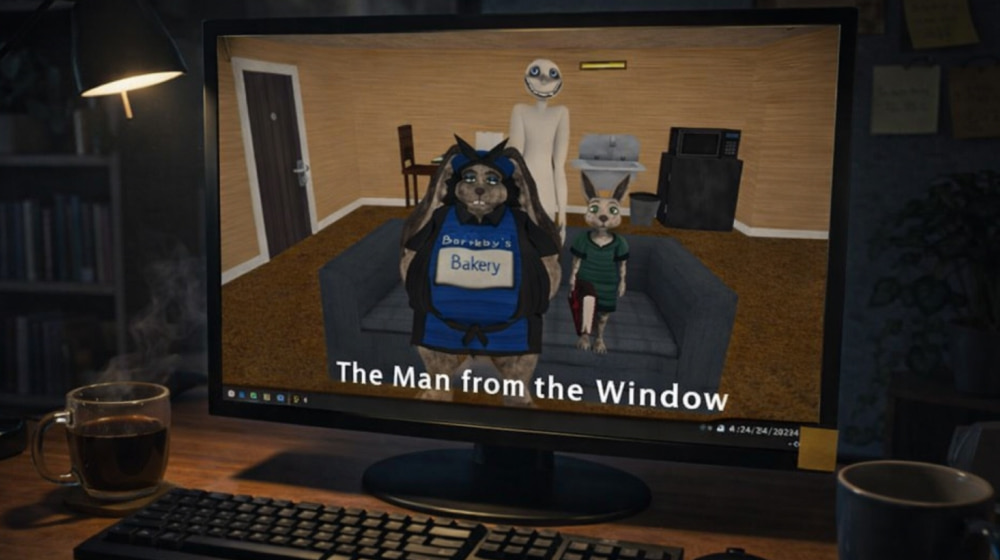
Play the Man from the Window on PC
Download GameThe Man from the Window is a compact horror experience built around quick decisions, limited information, and learning from failure. This guide focuses on practical habits you can apply immediately: how to read the apartment, how to manage time, and how to prioritize safety when you don’t yet know what’s coming.
What You’re Actually Trying to Solve
The core challenge is not reflexes it’s planning under pressure. You’re balancing three things at once:
- Information: Where the threat is, what paths are blocked, and what clues the environment gives you.
- Time: Every action costs seconds, and hesitation can lock you into a bad route.
- Risk: Some choices feel safe but create future dead ends.
Many newcomers start with The Man from the Window free-to-play edition to learn the loop safely.
Pre-Run Checklist: Set Yourself Up to Win
Before you commit to a route, build a quick routine. It keeps you calm and prevents “panic clicking.”
- Scan the layout: Identify doors, hiding spots, and any items that influence movement.
- Pick a default plan: Decide on a primary safety route and a backup route in case a corridor becomes unsafe.
- Commit to short cycles: If something goes wrong early, restart quickly and adjust one variable at a time.
On PC, you can easily play The Man from the Window during short breaks between tasks.
How to Read the Environment Fast
When you load in, treat the first moments like a “map reveal.” You’re not trying to be perfect; you’re trying to be consistent.
- Use landmarks: Pick one visual anchor (a doorway, a hallway bend, or a room entrance) to orient yourself instantly.
- Track chokepoints: Hallways and narrow connectors are the places you get trapped plan around them.
- Assume a mistake will happen: Your plan should still work if you lose a second or choose the wrong door once.
If you can explain your route in one sentence, you can execute it under stress.
If you prefer watching for patterns, the scare timing in The Man from the Window play rewards patience.
Decision Priority: What to Do First (and What to Ignore)
A common beginner error is treating every interaction as equally important. Instead, rank choices by survival impact:
| Priority | Focus | Why It Matters |
|---|---|---|
| 1 | Immediate safety route | Prevents early traps and buys time to learn. |
| 2 | Second escape option | Stops a single mistake from ending the run. |
| 3 | Clue collection | Improves future runs once you can survive the first minute reliably. |
| 4 | Optimization | Only matters after you’re consistently reaching later phases. |
For a quick test run, it helps to play The Man from the Window for free before chasing perfect runs.
Timing Tricks That Make You Feel “Faster”
You don’t need high APM you need fewer wasted actions. Use these timing habits:
- Stop re-checking: If you already confirmed a room is unsafe, don’t “double verify.” Move.
- Batch actions: Do two useful actions in one visit to a room (for example: position first, interact second).
- Plan on transitions: Decide your next step while moving between rooms, not after arriving.
Streamers often focus on route efficiency, and The Man from the Window game play highlights that beautifully.
Beginner-Friendly Route Strategy
Until you know the common threat approaches, use a conservative plan:
- Choose a “safe hub”: A room that gives you at least two exits or a reliable hide option.
- Orbit, don’t sprint: Move in short loops around the hub so you’re never far from cover.
- Reset your position often: If you feel lost, return to the hub rather than pushing deeper blindly.
With a stable browser, you can set up The Man from the Window play for free sessions without fuss.
Common Mistakes (and How to Fix Them)
- Overcommitting to one hallway: Fix it by always naming a backup path before you move.
- Ignoring sound/visual cues: Fix it by pausing your movement for a half-second to “read” the space.
- Panicking after a close call: Fix it by returning to your hub and re-starting your loop.
- Trying to win on the first attempt: Fix it by treating early runs like scouting missions.
Some portals offer The Man from the Window free-to-play no download options, which are handy on locked-down machines.
A Simple Practice Plan (10 Minutes)
If you want fast improvement without grinding, try this micro-routine:
- Run 1–2: Only learn the map; ignore optimization completely.
- Run 3–4: Pick one hub room and practice returning to it under pressure.
- Run 5: Change one decision point (a door choice, a hide choice, or a timing choice) and observe the difference.
Small controlled changes beat random experimentation, especially in short horror runs.
When sharing tips with friends, mention The Man from the Window free-to-play online versions as a simple starting point.
Accessibility and Comfort Settings
Because tension is part of the design, it helps to control your environment so you can focus on learning:
- Audio balance: Keep sound high enough for cues, but not so loud it triggers panic reactions.
- Windowed mode: Reduces stress and makes quick restarts feel less “costly.”
- Breaks: Two minutes off after a scary sequence often improves your next attempt.
In co-watching sessions, it’s fun to time decisions while The Man from the Window play online runs in another tab.
Quick FAQ
How do I get more consistent?
Use a hub-and-loop route, and keep one backup exit in mind at all times. Consistency comes from fewer decisions, not faster clicks.
What should I focus on first: clues or survival?
Survival. Once you reliably reach later moments, clue collection becomes much easier and less risky.
Is it normal to lose a lot early?
Yes early failures are part of the learning curve. Treat each attempt as a data point: what corner trapped you, what door choice slowed you, and what cue you missed.
If your goal is accessibility, look for The Man from the Window play for free online sources that load quickly.
Final Tip
Keep your strategy simple: one safe hub, one loop route, one backup path, and one change per run. That structure turns a scary guessing game into a solvable, repeatable challenge.